The landscape of credit cards has undergone substantial transformation, thanks to ground-breaking innovations in technology. As consumers demand faster, safer, and more convenient transaction methods, financial institutions and tech companies continuously push the boundaries of what credit cards can offer. The result is a user experience that is more seamless, intuitive, and secure than ever before.
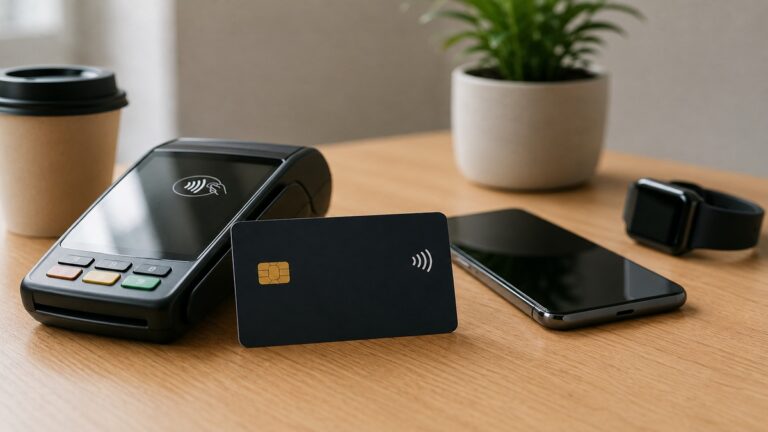
One of the primary innovations improving credit cards is the integration of contactless payment technology. Unlike traditional magnetic stripes or chip cards, contactless cards utilize near-field communication (NFC) to enable users to simply tap their card or smartphone against a terminal to complete transactions.
Beyond contactless payments, the adoption of advanced biometric authentication methods marks another pivotal development in enhancing the security of credit cards. Fingerprint scanning, facial recognition, and even palm vein scanning are being integrated with card security protocols to ensure that only authorized users can access accounts.
This layered security approach not only deters fraudulent activities but also provides peace of mind to cardholders, encouraging broader adoption of digital wallets and mobile payment platforms.
The rise of smart credit cards equipped with embedded displays and dynamic CVV codes is an emerging trend geared towards increasing security and personalization. These cards can update their security codes periodically, eliminating the risk associated with static CVV numbers that can be stolen and misused in online transactions.
Additionally, customizable interfaces on smart cards allow users to view account information, balances, or transaction history directly on the card, creating a more interactive and transparent user engagement.
Personalization and User Engagement Through Technology
Personalization has become a key focus in the evolution of credit cards, aiming to tailor the user experience to individual preferences and spending habits. By leveraging artificial intelligence and machine learning, credit card companies can analyze transaction data to offer customized rewards programs, spending insights, and financial advice.
Moreover, mobile apps connected to credit card accounts have transformed how users interact with their finances. These interactive features integrate seamlessly with everyday life, providing practical tools for budgeting and financial decision-making directly in the palm of one’s hand.
Gamification elements integrated into credit card apps are also enhancing user engagement. By rewarding users with points, badges, or personalized offers based on their spending behaviors, providers foster a sense of achievement and motivation to use credit cards wisely. This innovative approach transforms routine financial management into an enjoyable and rewarding experience, promoting better financial habits among users.
The trend toward eco-friendly credit cards, made from biodegradable or recycled materials, exemplifies the intersection of technology and sustainability. Companies are increasingly recognizing the importance of environmental responsibility, which resonates with a growing number of environmentally-conscious consumers. These green initiatives not only reduce the ecological footprint of card production but also enhance brand image and customer appeal.
Advancements in Security Measures for Credit Cards
Security remains a top priority in the ongoing development of credit card technology, with continuous advancements aimed at combating fraud and identity theft. One significant innovation is tokenization, which replaces sensitive card information with unique digital tokens during transactions, rendering intercepted data useless to cybercriminals. This method greatly mitigates the risks associated with data breaches and unauthorized purchases.
In addition to tokenization, the implementation of biometric verification adds another robust layer of security. Many new credit cards now support fingerprint or facial recognition technology, which requires cardholders to authenticate themselves before transactions can be approved. This dynamic verification process helps prevent unauthorized use in both physical and digital environments, safeguarding consumer assets effectively.
Dynamic security codes represent another leap forward in credit card fraud prevention. Unlike traditional static CVV numbers that remain the same, these codes change periodically and are displayed on a small electronic screen embedded in the card.
This feature significantly reduces the chance of card-not-present fraud commonly seen in online shopping, as stolen code information becomes obsolete quickly. Machine learning algorithms are being deployed to monitor transaction patterns continuously for anomalies that may indicate fraudulent activities.
These systems can flag suspicious behavior in real time, allowing banks and card issuers to intervene swiftly before unauthorized transactions proceed. The proactive nature of these AI-driven defenses enhances the overall trust users place in credit cards.
Integration with Digital Wallets and Emerging Payment Methods
The convergence of credit cards with digital wallet platforms is revolutionizing payment experiences worldwide. By linking credit cards to mobile wallets like Apple Pay, Google Pay, or Samsung Pay, users can carry multiple card options securely within their smartphones. This consolidation simplifies payment processes and offers greater convenience without compromising security.
Wearable technology, such as smartwatches and fitness trackers, is also playing a crucial role in the future of credit card usage. Many of these devices now support payment capabilities, allowing users to make quick purchases without reaching for their physical wallet or phone. Such innovations appeal to consumers seeking efficiency and hands-free convenience in their daily lives.
Cryptocurrency integration within credit card systems exemplifies a forward-looking approach to payment technology. Some credit cards now allow users to spend digital currencies directly or convert them seamlessly upon transaction. This bridging between traditional finance and emerging digital assets fosters greater flexibility and reflects changing consumer preferences towards decentralized financial instruments.
Furthermore, the advent of real-time payment processing and instant transaction verification improves the utility of credit cards. Users no longer have to endure lengthy settlement delays; instead, they benefit from immediate confirmations and fund availability. This promptness enhances user confidence by providing clearer visibility into their financial standing at any moment.
Future Trends Shaping Credit Card Technology
Looking ahead, innovations in quantum computing and blockchain are set to redefine the security and transparency of credit cards. Quantum encryption promises virtually unbreakable defenses against cyber threats, ensuring the protection of sensitive financial data at unprecedented levels. Simultaneously, blockchain’s decentralized ledger technology may enable more efficient and tamper-resistant transaction records.
Another promising development is the rise of augmented reality (AR) interfaces linked to credit card accounts. Users could visualize their spending data, budgeting goals, and rewards in immersive 3D environments, making financial management more accessible and engaging. This fusion of finance and interactive technology has the potential to transform how consumers relate to their credit card usage fundamentally.
The ongoing push toward seamless cross-border payments will also influence credit card innovations. Enhanced currency conversion features, reduced fees, and faster international transactions will cater to a globalized economy where users travel or do business worldwide.
Lastly, environmental and social governance (ESG) criteria are expected to inspire further changes in credit card issuance and usage. Providers may increasingly offer options tied to social causes or carbon offset programs, empowering consumers to align their spending with personal values. This approach integrates ethical considerations directly into everyday financial tools, marking a significant shift in credit card philosophy.
In conclusion, the multifaceted innovations in credit card technology are dramatically enhancing the user experience by improving convenience, security, personalization, and sustainability. As these trends continue to evolve, users can expect an ever more intuitive and secure interface with their financial lives, driven by cutting-edge advancements and forward-thinking design.